Custom neck gaiters last for many seasons when the fabric matches the use and the gaiters are washed cool, air dried and stored clean. Sublimated designs from Customized Neck Gaiters are dyed into the fiber, so they do not crack or peel; heat, bleach, softener and friction are what wear a gaiter out. Here is how to care for each fabric.
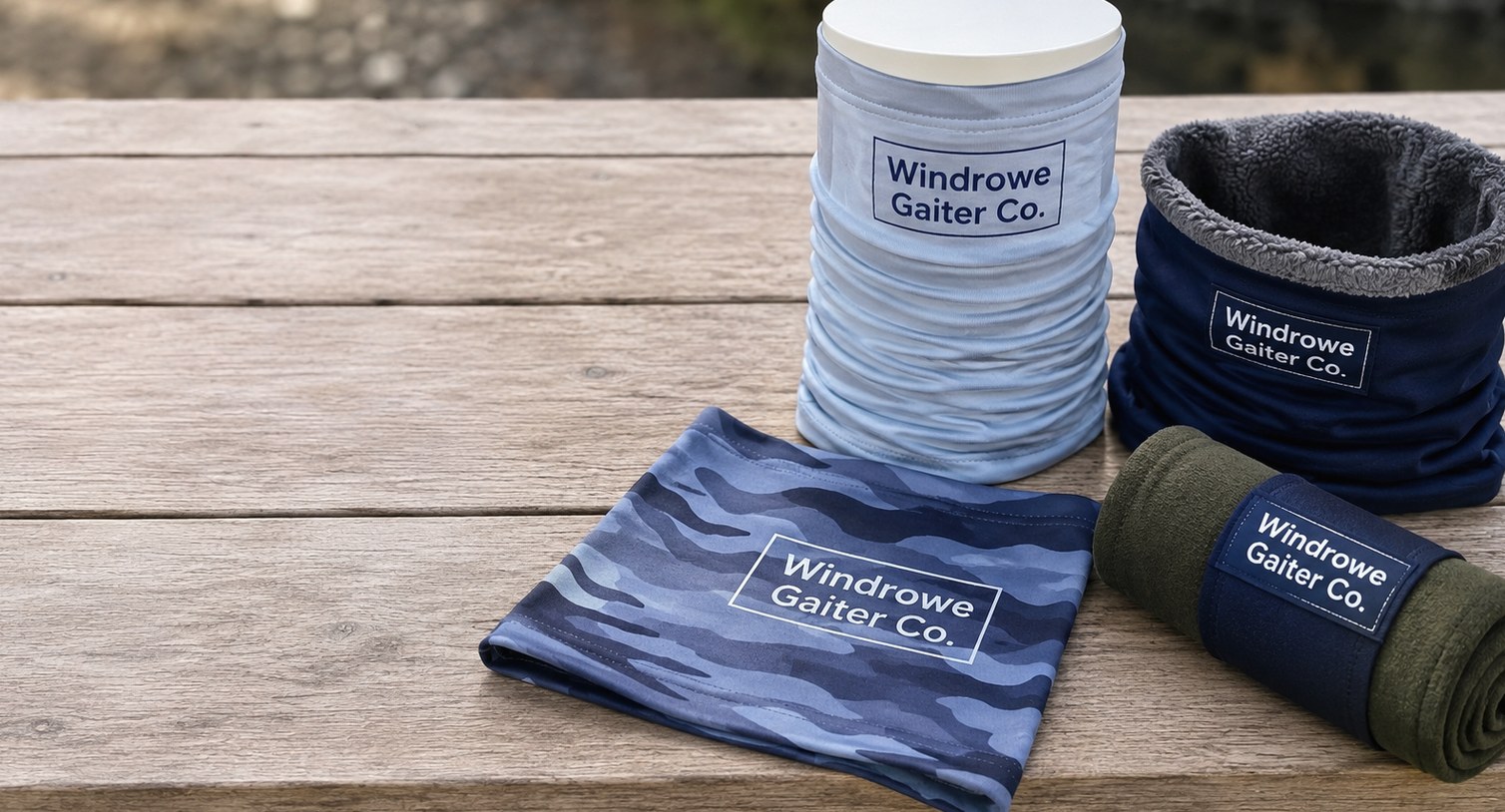
- Sublimated designs are dyed into the fiber and do not crack or peel
- Wash cool, inside out, and skip bleach and fabric softener
- Store merino wool gaiters sealed with a moth deterrent
- Free mockup within 24 hours; standard turnaround about 2 weeks
How long do custom neck gaiters last?
Custom neck gaiters last as long as their fabric holds its stretch and surface, because the printed design on a sublimated gaiter is part of the fiber rather than a layer sitting on top. In practice, the life of a neck gaiter depends on three things: which fabric you chose, how hard the gaiter is used and how it is washed, dried and stored.
A sun gaiter worn on a boat every weekend sees salt, sunscreen and strong light. A fleece-lined winter gaiter rubs against jacket collars and helmet straps. A merino gaiter is soft and warm but needs gentler handling than polyester. None of these are fragile products, but each one wears out in its own way, and the habits that keep one fabric looking new can shorten the life of another.
This guide from Customized Neck Gaiters covers what wears a neck gaiter out, how to care for each fabric the site offers, how a group should store gaiters before and after the season, and how to tell when it is time to reorder.
Why does a sublimated neck gaiter print hold up better than a printed-on logo?
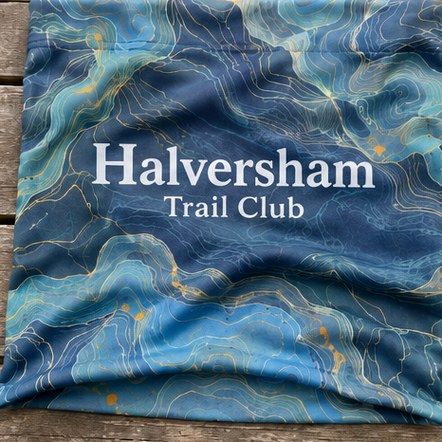
A sublimated neck gaiter holds its print because sublimation turns the ink into a gas that bonds with polyester fibers, so the design becomes part of the fabric instead of a coating on top. There is no layer to crack when the tube stretches over a head, and nothing to peel when the gaiter is folded into a headband or pulled up over the face.
That matters more on a neck gaiter than on almost any other branded item. A gaiter is stretched every time it goes on, folded into different shapes all day and washed often. A screen-printed or heat-transfer logo on stretch fabric can develop fine cracks along the stretch lines over time. A sublimated design moves with the fabric.
What sublimation cannot stop is ordinary fabric wear. Abrasion, heat and harsh chemicals still affect the polyester itself, and strong sunlight over many seasons can soften bright colors. The rest of this guide is about protecting the fabric, because on a sublimated gaiter, protecting the fabric is protecting the print. For more on decoration choices, see the sublimated seamless gaiters page.
How should you care for each neck gaiter fabric?
Care for a custom neck gaiter by matching the routine to the fabric: polyester sun and seamless gaiters tolerate regular machine washing, merino wool needs cool water and air drying, fleece-lined gaiters need low heat to limit pilling, and hi-vis gaiters need gentle handling of the reflective trim. The table below summarizes the safe approach for each style Customized Neck Gaiters offers. Always follow the care label on the finished product if it differs.
| Neck gaiter style | Washing | Drying | Watch out for |
|---|---|---|---|
| Sublimated seamless (polyester) | Machine wash cool, inside out, mild detergent | Air dry or low tumble | High heat and fabric softener |
| UPF 50+ sun gaiter | Machine wash cool, rinse out salt and sunscreen soon after use | Air dry in shade | Sunscreen residue and long sun drying |
| Merino wool | Cool gentle cycle or hand wash, wool-safe detergent | Lay flat to air dry | Hot water, wringing, moths in storage |
| Fleece-lined winter gaiter | Machine wash cool, inside out | Low tumble or air dry | Pilling from heat and rough loads |
| Hi-vis and reflective | Gentle cycle, cool water | Air dry | Heat, bleach and abrasion on reflective trim |
| Convertible multiwear | Machine wash cool, inside out | Air dry or low tumble | Snags from hook-and-loop fasteners in the load |
Turning a gaiter inside out before washing is the single easiest habit for every style, because it keeps the printed face away from zippers and other rough items in the drum.
What shortens the life of a custom neck gaiter?
Heat, chemicals and friction shorten the life of a custom neck gaiter far more than ordinary wear does. A gaiter that is washed cool and air dried will usually outlast an identical gaiter that goes through a hot dryer every week, even if both are worn equally.
- Hot dryers. High heat relaxes stretch fibers, can leave a shine on polyester and speeds up pilling on fleece linings.
- Bleach and harsh stain removers. These weaken fibers and can dull sublimated colors and reflective trim.
- Fabric softener. Softener can coat performance fabrics and reduce the wicking that makes a sun or running gaiter comfortable.
- Sunscreen and insect repellent. Residue left to sit can discolor light fabrics, so rinse sun gaiters after a day outdoors.
- Rough wash loads. Zippers, hooks and hook-and-loop fasteners snag thin stretch fabric.
- Wringing. Twisting a wet merino or fleece gaiter stretches it out of shape; press water out instead.
If your gaiters go to staff, volunteers or players, a short care note with the handout prevents most of these problems before they start.
How should a group store custom neck gaiters before and after the season?
Store custom neck gaiters clean, dry and out of direct sunlight, whether they are a box of new gaiters waiting for an event or last season’s team gaiters going into a closet. Folded gaiters in their original bags or a closed bin keep dust off and stop light from fading the outer layer of a stack.
For new stock waiting to be handed out, keep the boxes somewhere cool and dry rather than a hot car, a sunny office window or a damp basement. Sort by size and version when the shipment arrives, so a race packet table or a staff handout goes smoothly and nobody digs through every box. If your order includes names or numbers, as on personalized custom neck gaiters, keep each person’s gaiter labeled until it is handed over.
For end-of-season storage, wash every gaiter first, because sweat, salt and sunscreen left in the fabric are harder to remove months later. Merino wool gaiters deserve extra attention: store them sealed with a cedar block or similar moth deterrent, since natural fibers attract moths in a way polyester does not. Fleece-lined winter gaiters should be folded loosely rather than crushed under heavy items, which keeps the lining lofty for the next cold season.
How do you know when a neck gaiter needs replacing?
A neck gaiter needs replacing when it no longer stays up on the face or neck, when the fabric has thinned or pilled noticeably, or when reflective trim has dulled on a gaiter that is worn for visibility. A faded but comfortable gaiter is still fine for casual use; a hi-vis gaiter that has lost its reflectivity is not doing its job.
- Stretch. If the tube slides down every few minutes, the elastic fibers have relaxed.
- Surface. Heavy pilling on fleece or thin spots on polyester mean the gaiter has reached the end of its useful life.
- Color. Strong sunlight over many seasons can soften bright sublimated colors, especially on sun gaiters.
- Visibility. On hi-vis and reflective gaiters, check the trim under a flashlight before each season.
Teams and businesses that hand out gaiters every year often plan replacement as a reorder of the same design. Reordering an approved design from Customized Neck Gaiters means starting from finished artwork rather than a blank page.
Which neck gaiter fabric lasts longest for your use?
The neck gaiter fabric that lasts longest is the one matched to how the gaiter will actually be used, not the one with the toughest reputation. A merino gaiter used for hot summer fishing will wear out faster and feel worse than a UPF 50+ sun gaiter, while a thin sun gaiter handed out at a winter event will simply sit in a drawer.
- Frequent washing and hard use: sublimated polyester and sun gaiters handle regular machine washing best.
- Cold weather and outdoor work: fleece-lined gaiters add warmth, with low-heat drying to protect the lining.
- Comfort and odor resistance over long days: merino wool rewards careful washing and storage.
- Visibility for crews and volunteers: hi-vis gaiters, with gentle care to protect the reflective trim.
- Mixed groups and many ways to wear it: convertible multiwear gaiters cover the widest range.
If you are unsure, describe the use and the season on the quote form and Customized Neck Gaiters will suggest the fabric that fits.
How does Customized Neck Gaiters help you order gaiters that last?
Customized Neck Gaiters helps you order gaiters that last by matching fabric to use before anything is printed, then showing you the full wrap design on a free mockup within 24 hours. You can request unlimited free revisions, and you pay nothing until you approve the design. Standard turnaround is about 2 weeks, with faster turnaround available with express shipping.
Durability starts at the quote stage. Tell the team where the gaiters will be worn, how often they will be washed and whether they need to last one event or several seasons. That information guides the fabric recommendation more than any other detail. Groups planning a fundraiser can also see the custom neck gaiters for fundraisers page for how durable gaiters support repeat sales year after year.
Ready to start? Send your logo and use details through the custom quote form, or read how it works first.
Frequently asked questions
Will the logo on a sublimated neck gaiter crack or peel over time?
A sublimated neck gaiter will not crack or peel because the dye bonds into the polyester fibers rather than sitting on top as a coating. The design stretches with the tube every time it goes on. Over many seasons, strong sunlight and hot dryers can soften colors, so washing cool and drying away from heat keeps the print looking bright for longer.
Is tumble drying safe for custom neck gaiters?
Custom neck gaiters made from polyester or fleece can usually handle a low tumble setting, but air drying is the safer habit for every style. High heat relaxes stretch fibers, encourages pilling on fleece linings and can dull reflective trim. Merino wool gaiters should always be laid flat to dry. When in doubt, follow the care label on the finished gaiter.
Does fabric softener hurt a wicking neck gaiter?
A wicking neck gaiter can lose some of its moisture-moving performance when fabric softener coats the fibers. Sun gaiters, running gaiters and seamless polyester gaiters rely on that wicking to stay comfortable, so skip softener and dryer sheets entirely. A mild detergent and a cool rinse keep the fabric clean without leaving residue that traps sweat against the skin.
How should merino wool neck gaiters be stored between winters?
Merino wool neck gaiters should be washed, fully dried and stored sealed in a bag or bin with a moth deterrent such as cedar. Natural wool attracts moths in a way polyester does not, and stored sweat makes the problem worse. Customized Neck Gaiters recommends folding merino loosely rather than hanging it, since hanging can stretch the tube over time.
Why does a fleece-lined neck gaiter start to pill?
A fleece-lined neck gaiter pills when friction and heat tangle the soft surface fibers into small balls. Rubbing against jacket collars, helmet straps and rough wash loads all add to it, and hot dryers speed it up. Washing inside out, keeping zippers out of the load and drying on low heat or air drying will slow pilling noticeably.
Do reflective strips on hi-vis neck gaiters wear out with washing?
Reflective trim on hi-vis neck gaiters can gradually lose brightness with heat, bleach and abrasion, so gentle care matters more on these gaiters than on any other style. Wash cool on a gentle cycle, air dry and check the trim under a flashlight before each season. Customized Neck Gaiters suggests replacing a gaiter once its reflectivity has visibly dulled.
Can sunscreen stain a UPF 50+ sun neck gaiter?
A UPF 50+ sun neck gaiter can pick up discoloration from sunscreen and insect repellent if the residue is left to sit, especially on light colors. Rinse the gaiter in cool water after a day outdoors and wash it before storing. Applying sunscreen a few minutes before pulling the gaiter up also reduces how much transfers onto the fabric.
How should a club store boxed neck gaiters before handing them out?
Boxed neck gaiters should be kept somewhere cool, dry and out of direct sunlight until the handout, never in a hot car or a damp basement. Sort the shipment by size, version and name as soon as it arrives. Labeling each box before the event keeps race tables, team nights and staff handouts moving quickly.
Can a custom neck gaiter be ironed to remove creases?
A custom neck gaiter rarely needs ironing, because stretch polyester relaxes its creases once it is worn or hung for a short while. High iron heat can leave a shine on polyester and can disturb a sublimated design or reflective trim. If you must press one, use the lowest setting with a cloth between the iron and the gaiter.
When is it time to replace a team's custom neck gaiters?
A team's custom neck gaiters are due for replacement when they no longer stay up, when the fabric has thinned or pilled heavily, or when hi-vis trim has dulled. Many teams simply reorder each season. Customized Neck Gaiters can reuse your approved design for a repeat order, and every order still gets a free mockup within 24 hours.
Should we include care instructions when handing out custom neck gaiters?
Custom neck gaiters last noticeably longer when recipients get a short care note with them. A few lines covering cool washing, inside-out loads, no fabric softener and air drying prevent most early wear. Clubs, employers and race directors can print the note on a packet insert or add it to the handout email so every wearer sees it.
Can bleach be used to clean a white custom neck gaiter?
Bleach should not be used on a white custom neck gaiter, because chlorine weakens stretch fibers and can yellow polyester or dull any sublimated colors in the design. For a brighter white, soak the gaiter in cool water with an oxygen-based cleaner safe for synthetics, then wash normally. Merino and reflective gaiters need even gentler treatment.
Get a free mockup for your neck gaiters
Send your logo or idea and the quantity you have in mind. Customized Neck Gaiters returns a free mockup within 24 hours, you approve the design before anything is produced, and standard turnaround is about two weeks with faster options available. Get a custom quote.